Business News
Sunbird Nkopola,
|
May 25, 2025
Local Assemblies, A Catalysts for Socioeconomic Development
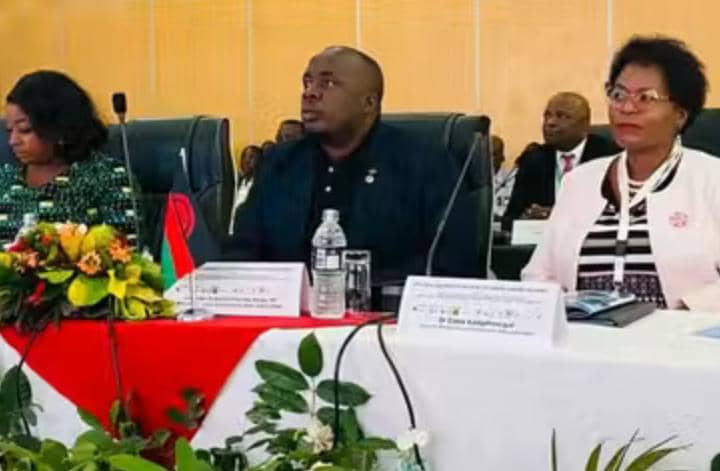
Minister of Local Government Unity and Culture Richard Chimwendo Banda has challenged local government authorities to focus on their primary duty of serving the communities rather than allowing personal and partisan interests to overshadow governance and economic growth as government continues to pump in billions of kwachas in Assemblies with an aim of transforming the lives of poor Malawians. He was speaking on Thursday, May 22, 2025 at Sunbird Nkopola, in Mangochi District where he is a Guest of Honour at this year’s 19th Annual Assembly of Malawi Local Government Association ( MALGA). In his remarks, the Minister said President Dr Lazarus Chakwera is committed to transform the lives of Malawians by empowering city authorities with resources and is committed to devolving the powers to Local Government Association (LGA’s). “As government is committed to providing financial and administrative autonomy for LGA’s, let us also remember the people we serve that they expect quality services delivery and accountability to ensure efficient resource utilization from us. The leadership of this nation has depoliticize “Capital Hill Powers” and empower LGA to function independently with an aim of providing effectiveness and efficiency in running the Assemblies. Decentralization must not be a mere policy on paper but a practical tool for socioeconomic development,’ said Chimwendo who is also the ruling Malawi Congress Party-MCP Secretary General. He assured the delegates that government will continue to pump resources in the Assemblies as are the foundation of Malawi’s governance structure. MALGA Executive Director, Hadrod Zeru Mkandawire said the AGA plays a critical role in shaping national policy and best practices. Meanwhile, Blantyre City has been named as the cleanest in Malawi This is the 3rd time in a roll beating the capital Lilongwe and other cities. The Assembly has also named Neno as the most improved Council in operations and implementation of government projects. This year’s AGA theme is : Reflecting on the Recent Past and Taking Stock of the Status of Decentralization and Local Government in Malawi – Looking to the Future and Renewed Hope.
Read more
Mt Soche
|
May 23, 2025
RBM Governor Defends 2024 – 44% Devaluation
Governor of the Reserve Bank of Malawi Dr Mafuta Mwale has defended the decision to devalue the local currency by 44% which happened last year, saying it was necessary at that time looking at the prevailing situation. Dr Mwale said this on Tuesday, 20th May 2025 at the 6th All-Inclusive Stakeholders Conference organized by a quasi religion organization called Public Affairs Committee PAC at Mount Soche Hotel in Blantyre. But the RBM boss was quick to admit that the devaluation did not help achieve all the expected or desired results but to a larger extent, it was a better idea.
Read more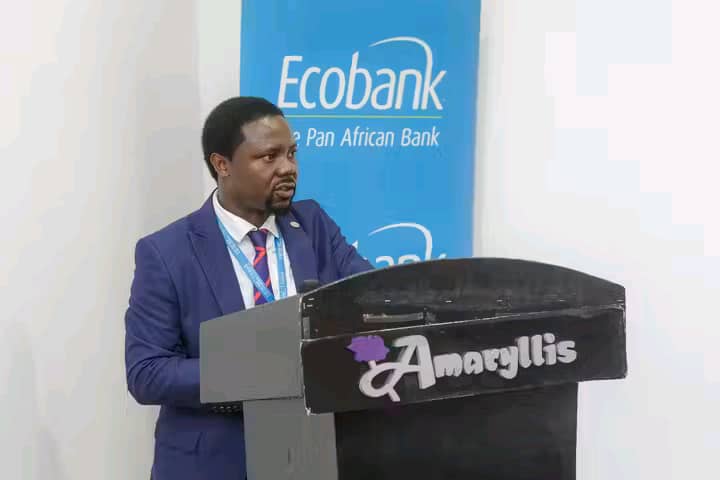
Amaryllis Hotel,
|
May 23, 2025
Ecobank Supports Growth and Development of SMEs in Malawi
Ecobank Malawi Head of Local Corporates Mike Juma was speaking at the Customs for the Enhancement of Sadc Regional Economic Integration workshop in Blantyre. He said the bank remains a steadfast strategic financial partner for Malawi’s SMEs as they step into the opportunities of the African Continental Free Trade Area (AfCFTA). “We offer practical financing tools that help businesses grow whether by bridging working capital gaps through commodity finance or by scaling operations with asset-based finance. Our mission is to enable SMEs to compete, connect, and thrive across Africa,” he said. The workshop brought together SMEs, exporters, trade facilitators, and policymakers to enhance understanding of AfCFTA trade protocols, customs procedures, and export requirements closing critical knowledge gaps and strengthening cross-border trade readiness. At the event, Ecobank showcased its asset-based finance offering, which enables SMEs to invest in machinery and equipment to enhance production capacity especially for export-oriented enterprises seeking to meet the quality and volume demands of AfCFTA markets
Read more
Mt Soche,
|
May 20, 2025
Malawi Inflation to Go Up; RBM Governor Mafuta Mwale Discloses
Reserve Bank of Malawi governor Dr. MacDonald Mafuta Mwale says there is potential that inflation, which is at 29.2 percent, might go upwards if not careful. In his presentation on the status of Malawi’s economy at the Public Affairs Committee 6th All-Inclusive Stakeholders Conference, Mwale has, however, said the recent drop in inflation remains a good sign though it can be temporary. He said: “We can easily go back to the high levels.” The Central Bank governor is set to unpack the reasons why inflation will likely go upwards in his ongoing presentation. Mafuta Mwale says there are some loans that government acquired in the 1970s and are still being paid up to date. Mwale has said this in his presentation at the Public Affairs Committee 6th All-Inclusive Stakeholders Conference currently underway at Mount Soche in Blantyre. He said: “There are some loans that are old as far back as 1970. The problem is that the system—the government does not default. If the government can default, the repercussions are huge. “Debt is crippling whatever we do in terms of service delivery.”
Read more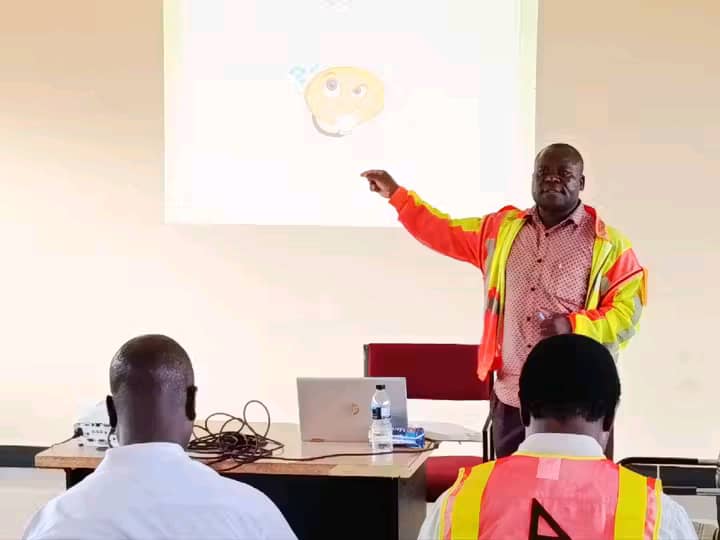
Dowa, Malawi
|
May 20, 2025
Good Road Network, Key to Socioeconomic Transformation
On Monday 19th May, 2025, the Roads Authority held a consultative meeting with Dowa District Executive Committee on the upgrading of the 21 kilometer Chimwaza – Nambuma Road Project (S115/T344) to bitumen/tarmark standard. The Roads Authority announced that government is to start construction of the road, which will cost around Mk18.3 billion. Malawi government will finance the project which will take around 18 months to complete starting May 2025. On the day, the Roads Authority also held consultative meetings with communities along or surrounding Chimwaza – Nambuma road, namely, Chimwaza, Kalonga, Kasolo, Dangaliro and Nambuma. Through the meetings, the Roads Authority in conjunction with Dowa District Council met chiefs, Village Development Committees, faith leaders, community members, security agencies amongst others to raise awareness of the project. Once complete, the road is expected to ease mobility challenges, improve transportation of agricultural produce, improve road safety and overall improvement in social economic activities of the people around the area
Read more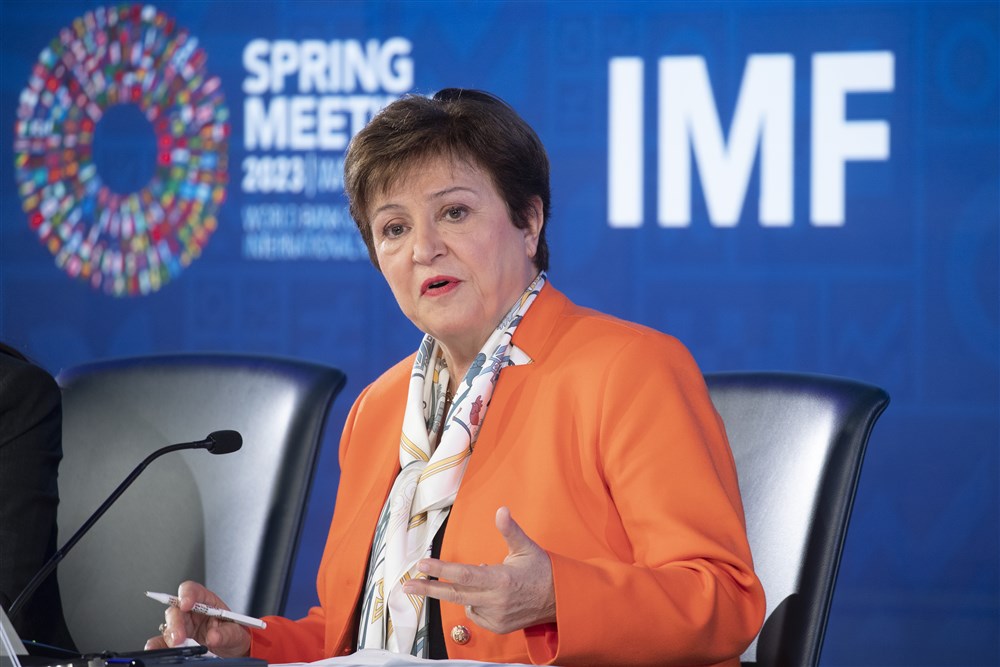
Lilongwe, Malawi
|
May 18, 2025
Frequently Asked Questions on Malawi’s ECF Termination by IMF
The termination of Malawi’s Extended Credit Facility (ECF) program by the International Monetary Fund (IMF) has raised significant concerns, and it’s understandable that many interpret this as a clear loss of confidence in the Chakwera administration. Here’s a breakdown of why this perspective holds weight: * Failure to Meet Program Targets: * The IMF’s stated reason for the termination—the lack of completed program reviews due to Malawi’s failure to meet ECF conditions—strongly suggests dissatisfaction with the government’s economic management. * Key issues cited by the IMF, such as persistent fiscal indiscipline and inadequate revenue mobilization, point to a perceived lack of commitment or capacity to adhere to agreed-upon economic reforms. * Implications for Investor Confidence: * An active IMF program is often seen as a seal of approval by international investors and other financial institutions. Its termination can severely damage Malawi’s credibility, potentially deterring crucial foreign investment. * This loss of confidence can also impact Malawi’s ability to secure loans and aid from other multilateral partners, further exacerbating the country’s economic woes. * Concerns About Fiscal Discipline: * The IMF’s emphasis on the need for fiscal discipline highlights concerns about the government’s spending habits. In a nation with limited resources, this is a very important factor. * This is a strong indicator that the IMF feels that the Chakwera administration has not been able to keep its fiscal house in order. * The timing of the termination: * The fact that the ECF program terminated within a relatively short time frame of being approved, is also a cause for concern. While the Malawian government has presented its own narrative, emphasizing a “mutual agreement” and concerns about the program’s potential impact on citizens, the objective facts of the programs termination, speak strongly. In essence, the IMF’s decision sends a strong signal that it has serious reservations about the Chakwera administration’s ability to effectively manage the country’s economy.
Read more